
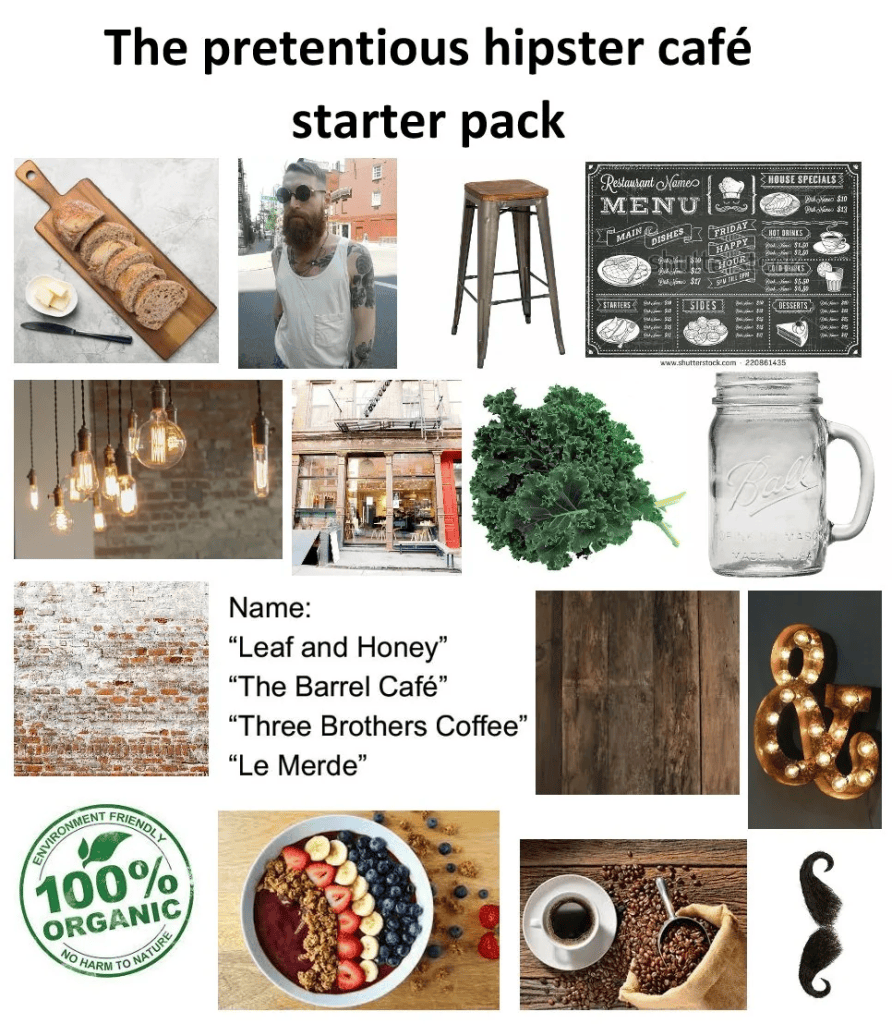
One of the many archetypes of the early 2010’s are easily identified as those who enjoy perusing used bookstores, collecting vinyl records, reading philosophical books that when asked about, get the response “You’ve probably never heard of it”, and brewing their own kombucha while wearing a flannel and beanie. Even if you weren’t part of the trend, everyone in 2012 knew what a Hipster was.
Though my personal experience with the Hipster lifestyle and aesthetic are rooted in my tween observations, the term “Hipster” goes back to the 1940’s. Breaking off from typical Jazz sounds, young black musicians used their horns in part to navigate processing the injustices they were experiencing by the police in a new sound coined as Bebop. As experimental as the music was for the time, they wanted something that white people couldn’t take, as said by Mary Lou Williams, and thus began the first ever Hipster movement (The Collector).
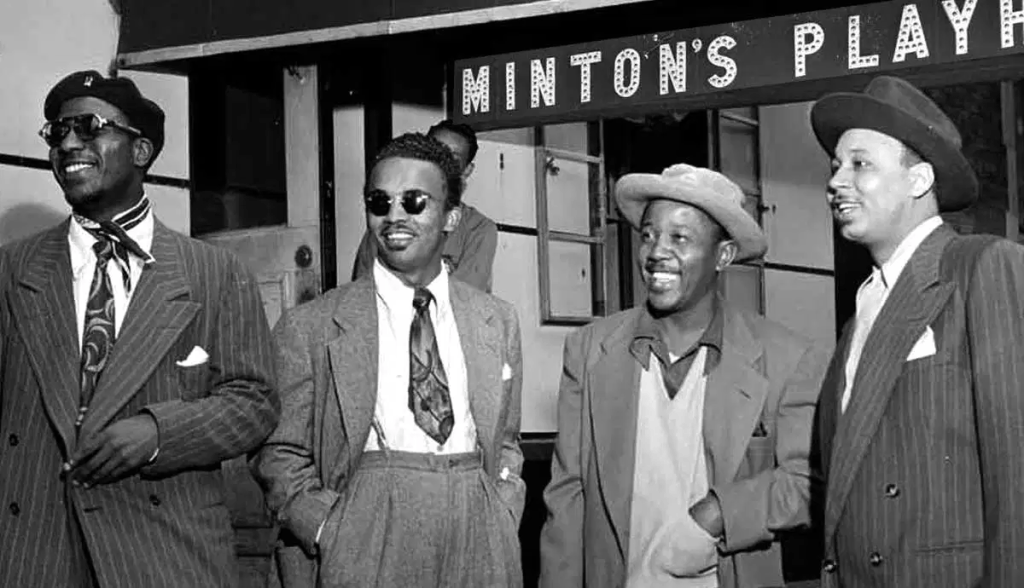
The fashion of the Bebop musicians were soon adopted by middle-class whites and thus inspired the Beatniks of the 50’s in fashion, music, and navigating an uncertain future before and during the years of the Vietnam War as they influenced the archetype we all know as Hippies in the subsequent decade.
What connects the Hipsters across the decades, however, is their love of being “in the know”. Whether it be an extensive knowledge on music theory, jazz, poetry, literature, Eastern Enlightenment ideals, philosophy, woodworking, or the art of brewing drinks in a variety of forms, Hipsters always prize themselves on esoteric knowledge.
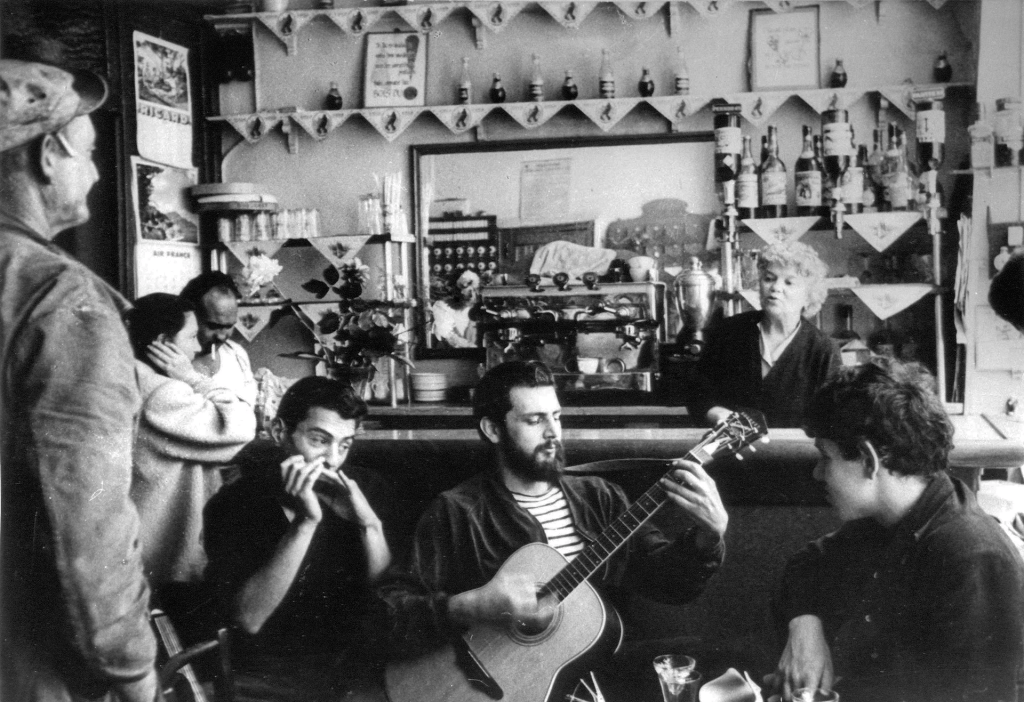
The popular “know how’s” of the time may seem obscure and hard to get into, but through third spaces and collaboration, it became common conversation points for these groups. I would say “third space” loosely, as Beatniks were infamous for getting kicked out of businesses for hanging around for too long.
When I welcomed you all into this month’s theme, I introduced the idea of Hipsters as a type of modern day “Renaissance man”. In my excitement, I knew that I didn’t connect the ideas perfectly, but I promised that I would connect the dots in how my brain connected these two seemingly separate ideas.
If you are well versed in Renaissance history, you may already have an idea of where I am heading. But first, let’s define the term “Renaissance Man”. Also known as polymath, a Renaissance man is what many would define as a “Jack of all Trades” type that went to the next level and mastered a few of them. Leonardo da Vinci exemplifies this, and he is most people’s first thought as an example for the title.
While reading Leonardo da Vinci by Walter Isaacson, I have come across parallels between the modern Hipster ideals and the habits that defined a Renaissance Man.
One thing that Leonardo da Vinci stressed to his students was to be around other individuals. This was not only to observe them to improve their art, but also to exchange ideas with, as Leonardo wrote “Drawing in company is much better than alone” (Isaacson, pg. 24).
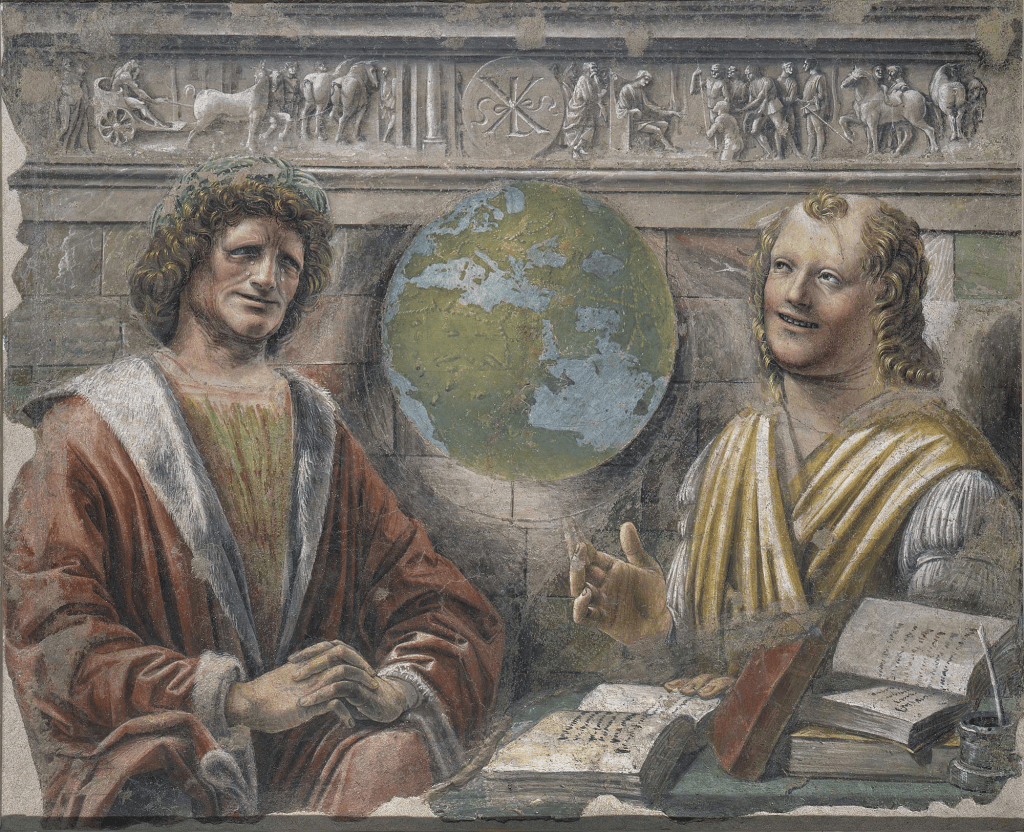
One of the popular intellectual riddles of the time was squaring the circle, in which one takes a circle and constructs a square that has the same area using only a compass and ruler (Isaacson, pg. 209). Scholars of the time didn’t work through these problems and riddles in isolation (at the expense of historians who love to attribute a feat to a singular individual), many considered solving puzzling questions through collaboration. Leonardo very much enjoyed surrounding himself with his friends and colleagues to ask questions, learn, and formulate new ideas. Within his notebooks are questions on questions across multiple topics he wanted to discuss with people (Isaacson, pg 158).
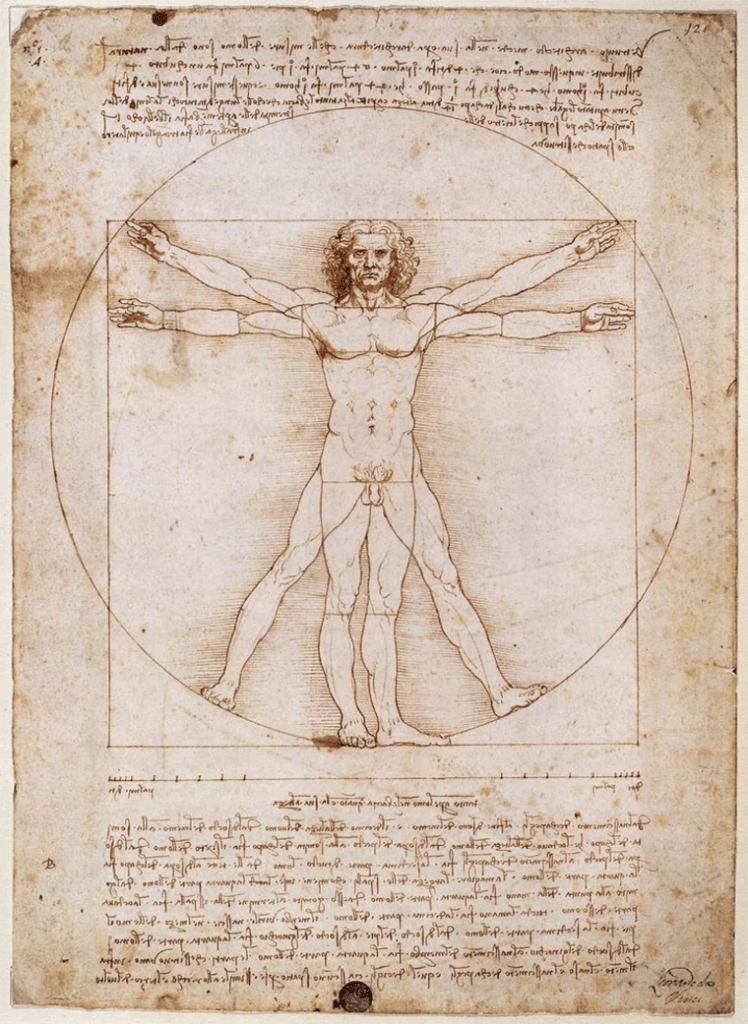
While the modern hipster may not be on the same academic level as a true Renaissance Man, they are known for being experimental and having a wide range of interests that make up their many stereotypes. Those interests commonly involve learning trades and supporting locally owned business if not owning one of their own.
Thinking about the places I would most likely run into a Hipster, the first locations that come to mind are coffee shops, farmer’s markets, record or book stores, and local breweries. All of these are very personable locations, many times with the owner working alongside any employees or tackling it solo. These locations have the potential to not only become third spaces, but meet-up locations for small events that lead to conversing with other connection-seeking individuals. Book clubs, gardening talk, refining the skills that brought you to the event in the first place, all of that happens collaboratively in a way that isn’t really so different than Leonardo da Vinci’s time.

That community aspect is what really connects Hipsters to the ideals of the Renaissance Man. Through every evolution of the hipsters, we see a different shared interest within culture and learning through experimentation. Though many were content to just enjoy the popular topics of the time instead of mastering every hobby, they stayed curious.
Hearing “Renaissance Man” seems daunting with high expectations to reach the status, but anyone can adopt its ideologies. Already I am seeing a lot of “brain stacking” trends on my social media. It feels like the value of being educated outside of a classroom instead of on a phone is making a comeback.
Imagine if the trends of today involved math riddles such as squaring the circle instead of a reality show with people who are repeatedly horrible to each other? Which would have a more positive impact on the mind? I’m starting to think the hipsters being seen as “pretentious” wasn’t as much as an insult as it was intended to be.
Sources
Mclaughlan, Scott. “What Is the History of Hipster Culture?” TheCollector.com, November 9, 2024, https://www.thecollector.com/history-hipster-culture/
Isaacson, Walter. Leonardo da Vinci. Simon & Schuster, 2017.


They seemed to have dropped off the map suddenly. I don’t see many man buns these days. Nor do I see those curly staches and beards.
LikeLiked by 1 person
The hipsters that come in my shop have evolved! 😎 They’re getting modern mullets and flow haircuts instead of the longer man bun styles and undercuts they were getting several years ago! So, I guess they have continued to evolve regardless of whether society is picking on them or not lol. They’re all really cool, open-minded people, and like you are bringing attention to in this blog, they are always learning new things! And, to answer your question, I definitely prefer a world where learning is prioritized over judgement and negative criticism of others. I don’t understand the constant comparison of people to one another in any other capacity than to learn.
LikeLike
I was never a hipster. No man bun, no flannel, no kombucha, and no vinyl, at least not since my childhood when vinyl was being replaced by cassettes and then CDs soon after. But there were some aspects of hipster culture that I approved of. I was definitely into some things, particularly certain music, that most people had never heard of. Still am. And the idea of having a third space too.
I came of age both chronologically and spiritually in the 1990s. If you do a deep dive into the archives of DLTDGB, which as you know was based on my own past, you will find that in my young adult years, I had that third space. I had my church friends, and I had the campus Christian group that I was part of us. And while we weren’t sitting around discussing esoteric philosophy, we were sitting around discussing things. The third space was conversations after church or just hanging out on campus between classes. Sometimes we would talk about the Bible and how it applied to whatever we or people we knew were going through, which is similar in some ways to hipsters discussing philosophy. And this is what I feel is greatly missing from my life today, at least to some extent. Those times were never meant to last forever. My Christian friends from my early 20s either got married and started their own families, or abandoned the faith, or both. That never worked out for me, and I have always had a hard time fitting in among Christian circles ever since. The closest thing I have to a third space right now is two karaoke nights where I am a regular, but those people mostly do not share my values, and in today’s world of hostility and polarization, that makes it an unwelcoming environment to discuss those kinds of things. I think that is a big part of the reason I started writing DLTDGB in the first place, not only to keep alive my memories of a different time when those kinds of communities existed, but to hope that this might inspire others to build those kinds of communities in their lives today.
Last year, I went back to the church I went to for most of my 30s. Some people I knew from before are still around, but like my 20s Christian friends, most of them have families now. I am going to start volunteering as a greeter at the door, like I did when I was there before, so maybe I can be more of a familiar face and help others feel welcome.
LikeLike
One more thing. Squaring the circle is not a riddle, it was at the time an unsolved problem. Either it can be done, it can be proven that it cannot be done, or it can be proven to be an unsolvable problem within the framework of mathematics, not knowable within the space defined by the fundamental axioms of mathematics. After the time of the Renaissance, in (checks notes, by which I mean Wikipedia) 1882, it was proven that it cannot be done.
LikeLike