
The mid 1800’s was monumental for the landscape of America. Industrialization caused resources to be exploited more than ever before, transportation of materials and the expansion of the railroad made materials more accessible at the cost of the landscape (Steinberg, 101). While ecological shifts were happening in the South since before the Civil War, it wasn’t until families moved West in mass amounts did the damage of this growing industry become more evident across the country.

Gold mining became most prevalent in the years after 1848 when it was brought to the people’s attention by James Marshall (Steinberg, p. 117). While at first the gold seemed abundant on the surface layer of the earth, it quickly ran out, causing mining to be required for further extraction. This led to the method of hydraulic mining, which is described by Steinberg as causing “more erosion than any other event in the history of Sierra-Nevada” (p. 119).
Hydraulic mining involved the use of high-water pressure to expose gold in a less laborious way, causing mass amounts of sediment to be displaced into the natural waterways and leading the water levels to rise considerably, as well as destroying salmon spawning habitat (Steinberg, p. 119).
The effect of this excavation method coupled with the stress of game hunting and fishing in the South caused a considerable ecological shift in the landscape, not to mention the emigration of thousands of people from the East through the Great Plains in order to reach potential profit during the Gold Rush in the early 1850s (Steinberg, p. 123).

It was during this Gold Rush that hundreds of thousands of people packed up wagons and moved westward with their cattle. This event not only eroded the land due to the sheer movement of individuals but also put stress on the ecosystem due to the grazing of cattle and the harvesting of wood along the trail (Steinberg, p. 118).
However, It would be impossible to discuss the impacts of the Gold Rush and expansion toward the West without mentioning the decimation of the bison in the Great Plains. Steinberg expressed that “The natives contributed to their own demise by keeping far more horses… than the land could support”, however Warren would argue that there is more to the story (Steinberg, p. 123). Warren brings up the question of why bison were going through regular periods of mass decline even before the expansion westward which almost decimated the entire species.
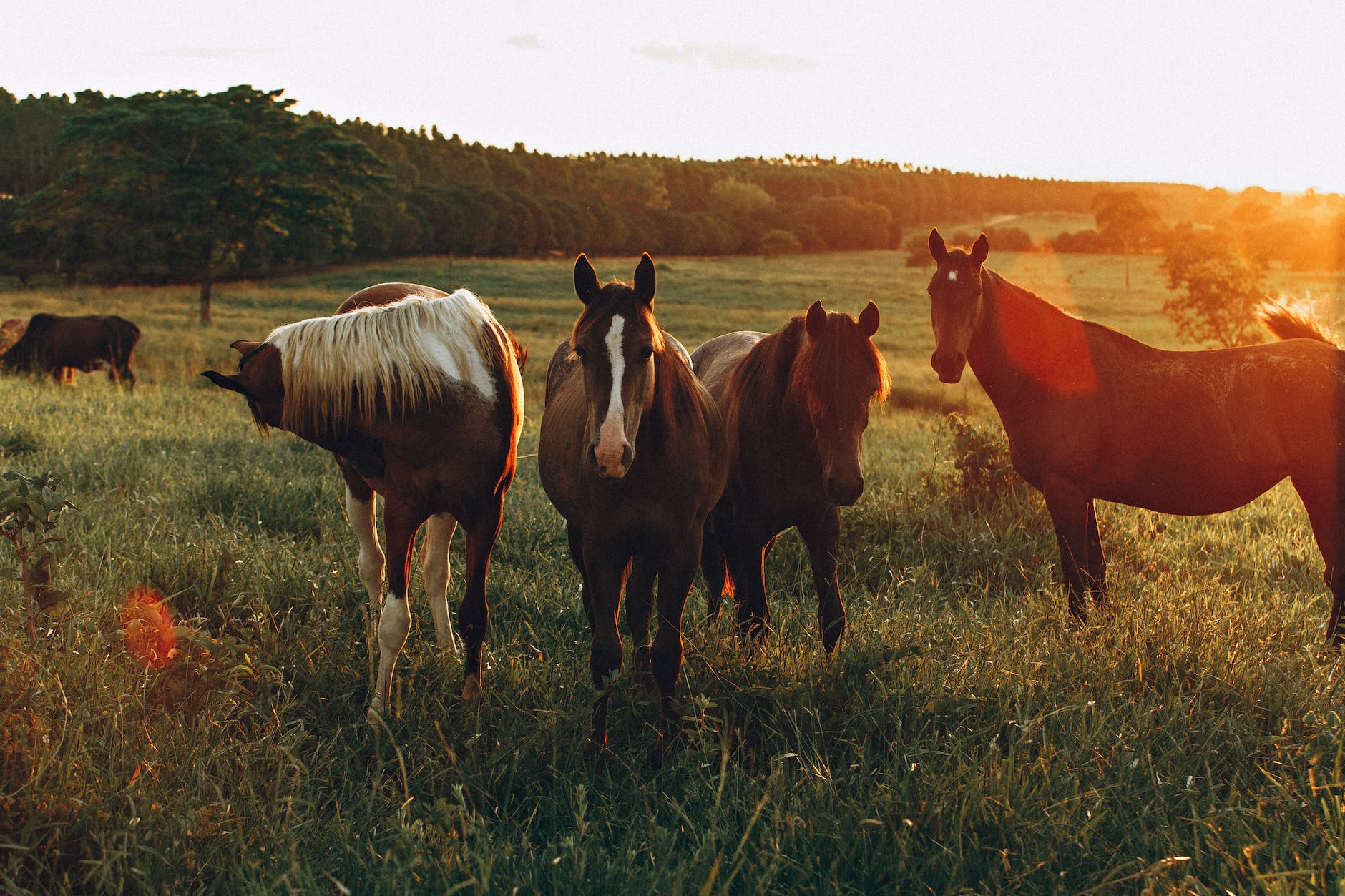
Ecologically, millions of bison were able to thrive in the plains, but compared to the similar niche of the stallion, which were in great numbers and widespread across the continent for the natives after the Pueblo Revolt, the similarity of niches was so much so that the horses drove the bison out (Warren, p 210). Even though calves were in more demand and did influence bison populations, regular shifts in climate from decade to decade and the bison population regularly declined and rose when the conditions were optimal.
To answer the issue that Steinberg brought up regarding starving Natives when the bison populations were regulated by them in the past is more suggestive to the ecological shifts that put stress on the bison carrying capacity than fur trading (Warren, p. 214-216).
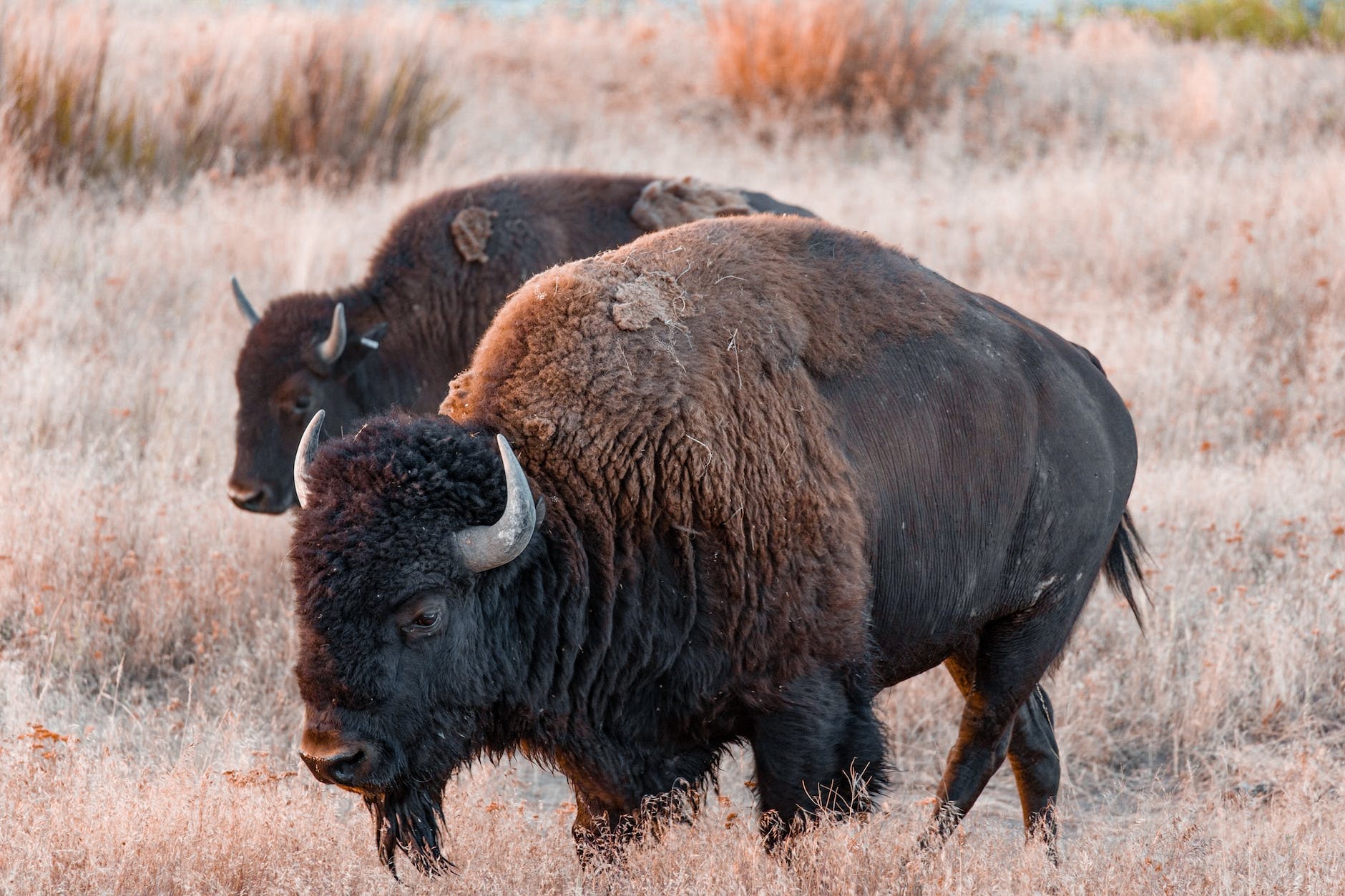
In search of wealth in a time of soil nutrient decimation in the South, many moved their horizons to the West during the Gold Rush, causing many ecological issues both to the landscape and to the wildlife that inhabited it.
Steinberg, Theodore. Down to Earth: Nature’s Role in American History, 3rd Edition. Oxford University Press, New York (pp.101-123)
Warren, Louis. American Environmental History. 2nd Edition. John Wiley & Sons, Inc. New Jersey (pp. 210- 216)
-Katelyn Rateliff

