
https://cen.acs.org/environment/climate-change/Methane-cuts-slow-extreme-climate-change/99/i39
Methane emissions are one of the most influential forces of climate change, having 84 times the amount of warming effect on the environment than CO2, according to Chemical and Engineering News. With an increasing amount of coverage on climate change in the media, there is no excuse for us as a population to ignore the fact that our environment is going through a state of warming as a result of man-made actions.

Being aware of just how much methane is being released into the atmosphere on a daily to yearly basis is essential for controlling the projection of the environment’s status in the future. While most of the focus is on carbon dioxide in terms of reducing the effects of climate change, methane demands to be considered as well.
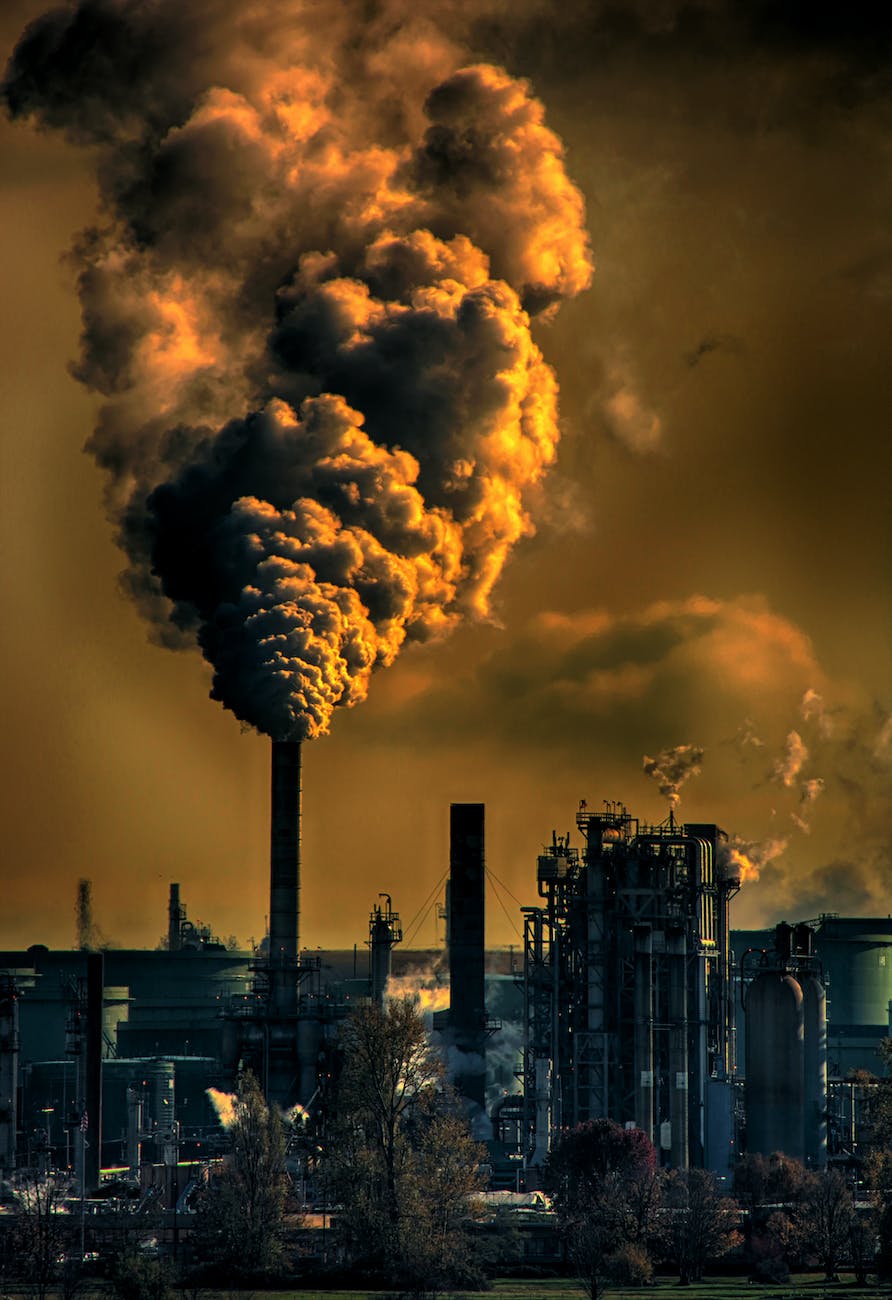
Why is this detrimental emission overlooked by so many? The answer lies in the classic American diet. Meat is a staple in most American’s diet, and it is a staple used in excess. With a growing population, more and more meat is required to be in the markets to meet the demands of the consumers. Animal agriculture contributes to 40% of methane pollution emissions (Chemical & Engineering News 2021). As consumers, we as a population can do our part in lowering these emissions by eating less meat. Eating one or two meatless meals a week is still beneficial to the solution.
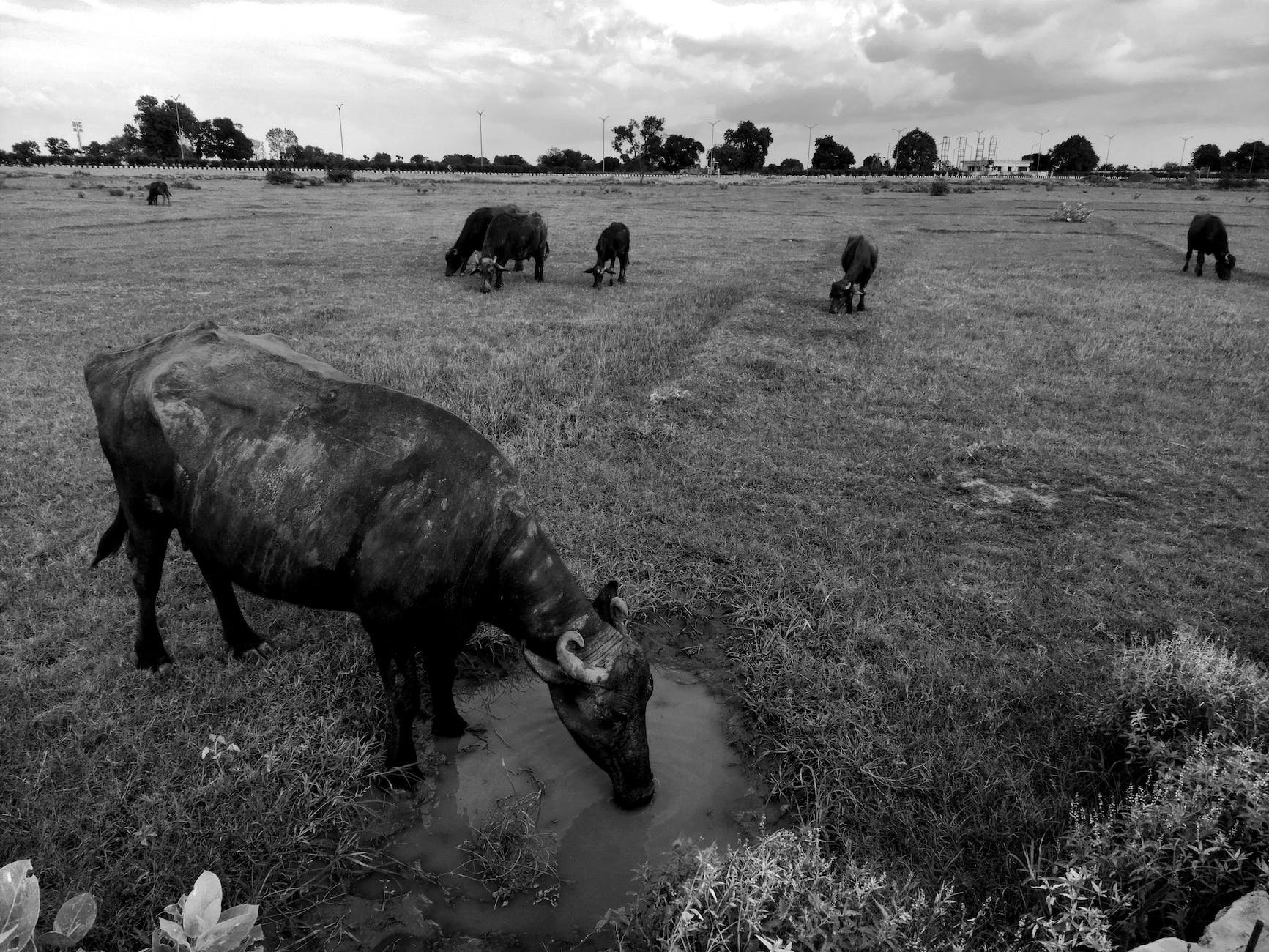
As an environmental science major, taking note of the threats to our climate and exhausting every option possible in order to have a secure future is of huge importance to me. Learning about the details of methane and its impact on our everyday lives is essential to figuring out methods to reduce its emissions. New advancements within environmentalists happen every day and it is very interesting to learn about them and make my own thoughts about these increasingly pressing issues.

