
Tourism is a safe and fun way to travel and experience the best aspects of any location, may it be hotels on the beach or museums within walking distance of a renowned restaurant. But with tourism being the most rapidly growing industry in the world (Standen 2020), it is hard to apply sustainable practices and enforce them as the industry expands in all directions. Many regulations are swept under the rug and go uncorrected, leading to tourism being unsustainable in practice. However, tourism is vital for many communities all over the world (Zhu 2021).
Tourism also plays a huge role in the preservation and continuation of national parks (Mandic 2021). To eliminate tourism is to eliminate a livelihood. Through all the downfalls, there is a future in eco-friendly, minimal impact tourism, and one can see its implications already in the exposure of foul practices and the industry’s growing adoption of sustainable operation.
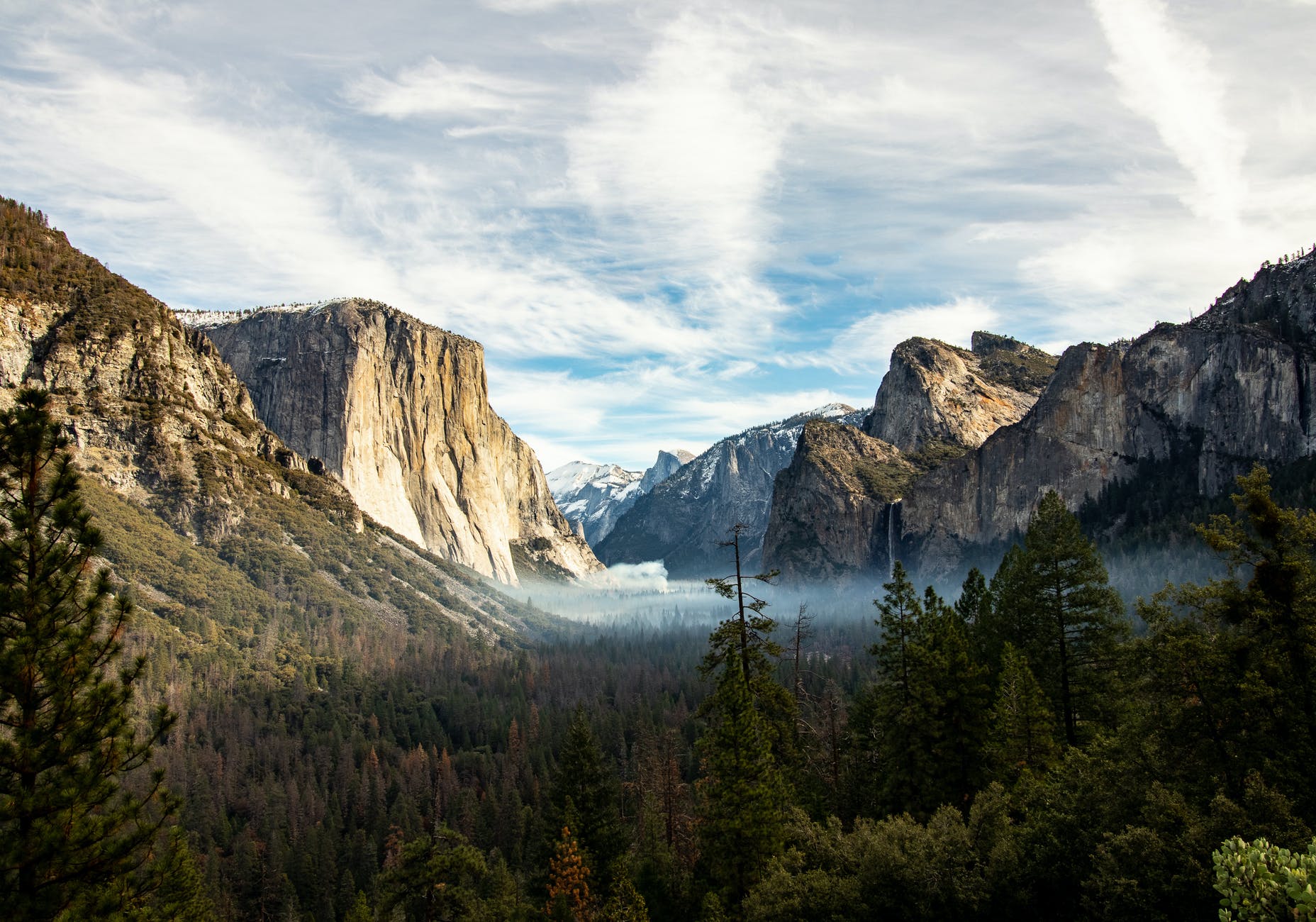
National parks provide a getaway from the urban world into a space that is rich with preserved biodiversity and historical significance. One can see the true nature of preservation and sustainability in these areas, and according to the World Travel and Tourism Council, “…national parks have furnished us with models for sustainable tourism development and provided a blueprint for others to follow” (2016). This is not hard to believe since one principle that has been ingrained in us is that we must protect national parks, and when we visit, to leave no trace.
A location’s success as a park is dependent on the cleanliness of that place, since no one would want to visit a park that is littered with trash. This creates pressure to be more sustainable for the economic growth of the area (Mandic 2021). Supporting the argument that tourism will be sustainable, industries would not want to risk a loss in competition if their park is not sustainably kept while another is. Competition is a driving force for sustainable applications for more than just national parks (Zhu 2021).
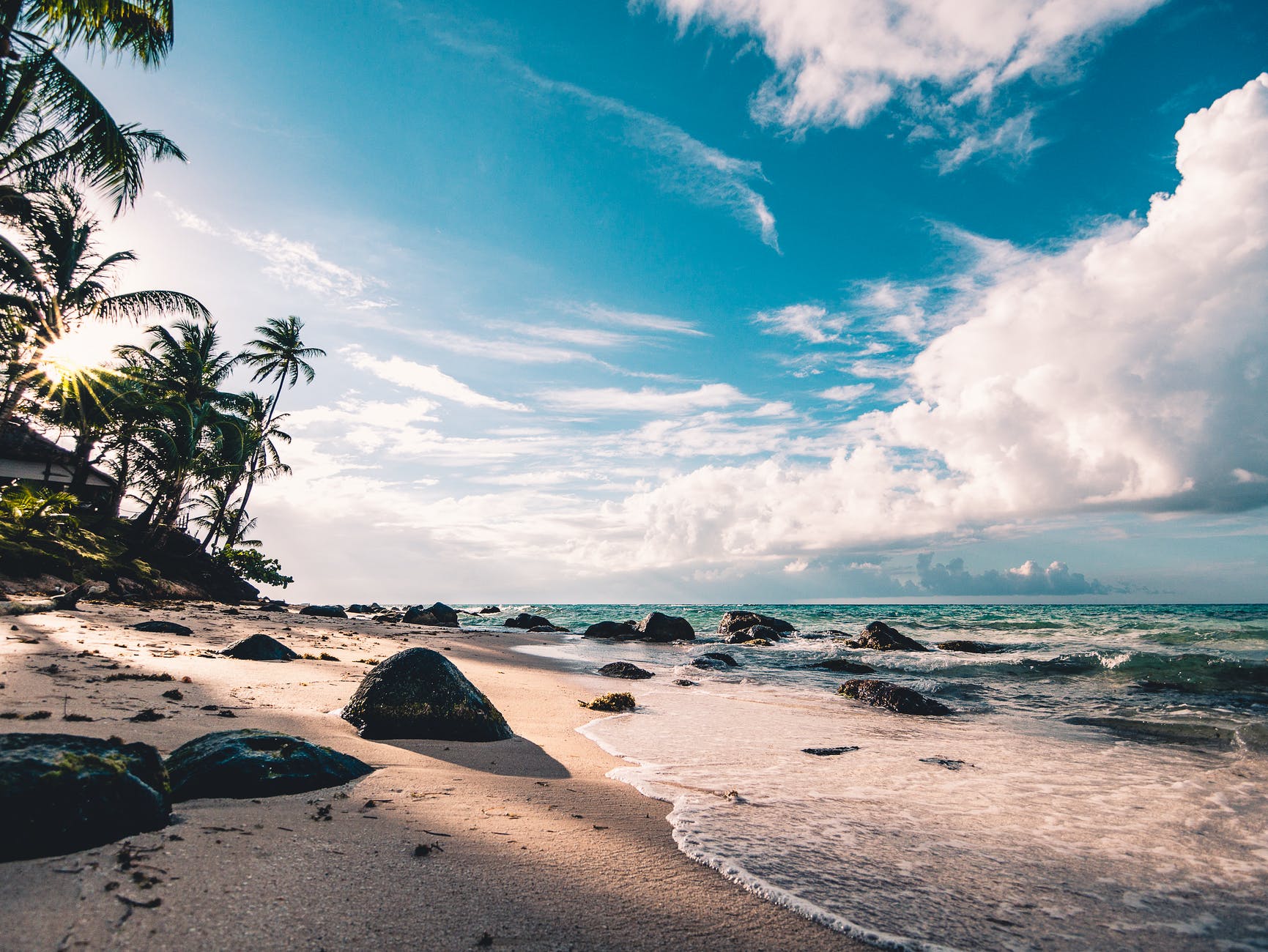
Information exposure is also a key factor in sustainability as a whole and it is not pushed to the public enough. Many people who plan a trip do not think about the impacts a certain location or activity can have on the environment because it is not explicitly stated or even easily found online. For example, islands are a hot spot for tourists as a remote place to get away from large crowds and feel the ocean breeze from any direction.
However, touring in these island locations directly harms the locals because of the irresponsible water usage and management. Freshwater is stretched thin for the economic advantage of tourism and pollutes the surrounding water and the wildlife that inhabits and relies on it (Phong 2021).
According to the Center for Sustainable Travel, who are a nonprofit global organization aimed to promote sustainable travel, “48% of U.S consumers said that they would change their consumption habits to benefit the environment” (2019). While this is almost half, I believe that if sustainable practices and resources were more promoted, the percentage would rise.
As someone who has been fortunate enough to go on summer vacations, I have never once thought about how my consumption was impacting the environment and where my money was going to support. In the interest of economic growth, companies are not transparent on their environmental impact, and instead fill their websites with only benefits of their service.
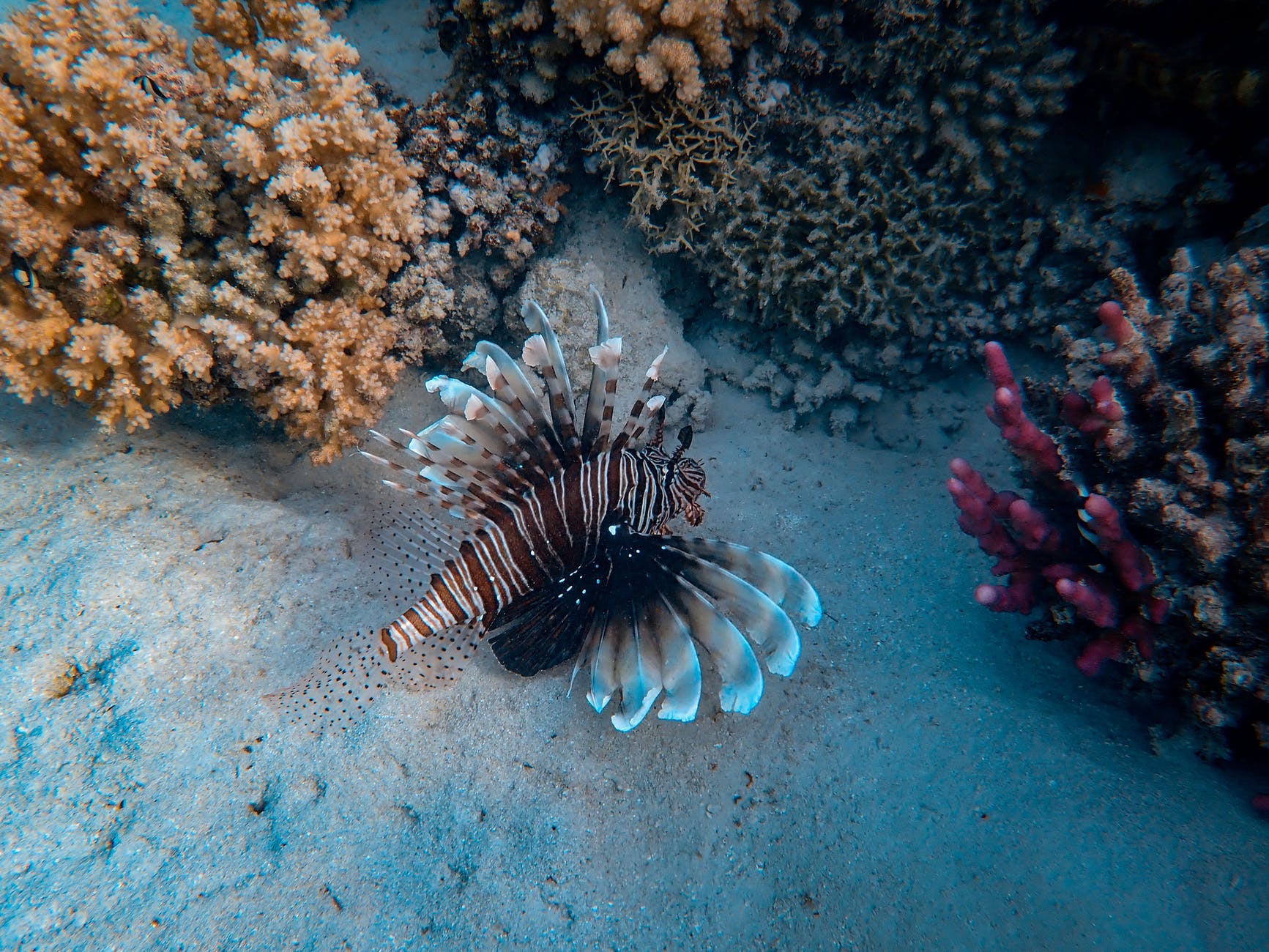
Many ocean fishing tourists have never second guessed how their fishing is impacting the biodiversity of the reef and are in turn damaging the fragile ecosystem which resides right under their boat. Because of this, the blame is not solely on consumers, but on the regulations which allow these issues to continue. If companies would regulate the number of tourists they allow to participate in their services, there would be more time for surrounding ecosystems to bounce back and be properly maintained (Craig 2008).
To reiterate, if more information were available and promoted as an aspect of tourism to be sustainable, I believe that a higher percentage of consumers would choose the eco-friendly route, and the industry is leaning towards being more sustainable.
With exposure to eco-friendly products, the opportunity for a happier stay on vacation has been studied using neurological methods. Fronda and other researchers measured a positive emotional response from participant’s engagement in “green hotels” (2021). In this experiment, participants were asked to explore several spaces in this green hotel which displayed several brochures about the hotel’s mission and their sustainable applications within their services. Being in an environment which promotes these healthy practices brings to light the downfalls of other establishments which are not sustainable.
When one has experienced the rewards of not having to worry about the impact they are making while on vacation, their stay can be more enjoyable and guilt free. Tourism will be sustainable because exposure will become the normal routine. As the public becomes aware of how touring off the beaten path will lead to a more enjoyable and unique travel experience more will be inclined to follow that route, as “social and environmental considerations have become critical drivers of consumer decision making” (Center for Responsible Travel, 2019). As an industry which supplies many job opportunities all over the world, sustainable tourism promotes job opportunities which are away from the concentrated high traffic tourist nodes (Center for Responsible Travel, 2019).
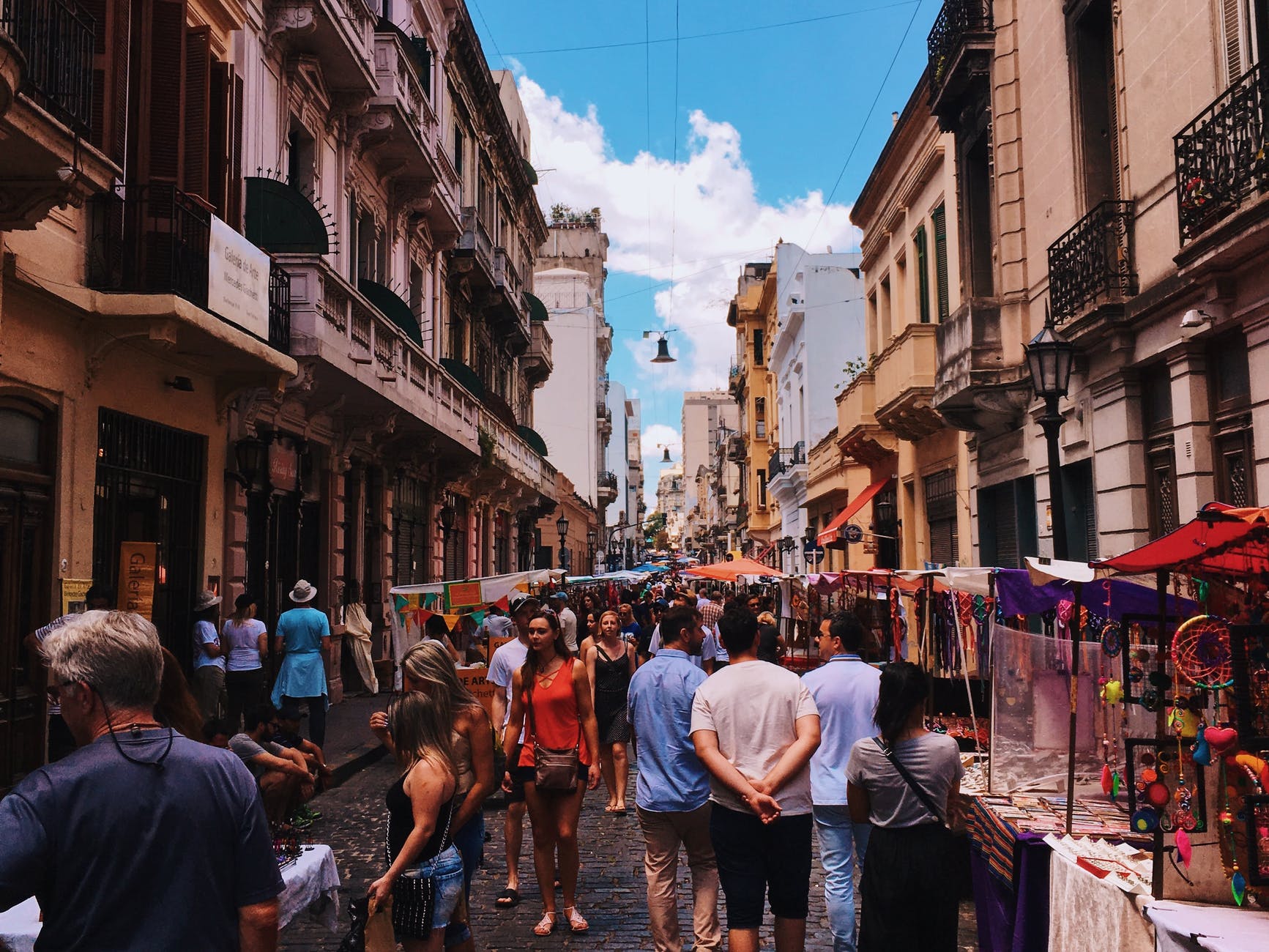
The argument that tourism will never be sustainable is based on the belief that nothing will change within the industry, however that is not true. Now more than ever there are resources and options for sustainable tourism and a travel experience which is completely unique while being environmentally conscious. By adopting the “leave no trace” ideology for more than just national parks, tourism will be sustainable where both the mind and earth will benefit. When one recognizes the impacts of different practices which harm the environment, they can put their support to a hotel or service which will add positive change to the tourism scene.
Standen, Alice. “Is Sustainable Tourism Actually Sustainable?” The Boar, Feb. 2020, https://theboar.org/2020/02/sustainable-tourism/.
Mandić, A., & Petrić, L. (2021). The impacts of location and attributes of protected natural areas on hotel prices: implications for sustainable tourism development. Environment, Development & Sustainability
Zhu, L., Zhan, L., & Li, S. (Kevin). (2021). Is sustainable development reasonable for tourism destinations? An empirical study of the relationship between environmental competitiveness and tourism growth. Sustainable Development, 29(1), 66–78.
Council, World Travel & Tourism. “How National Parks around the World Influenced Sustainable Tourism Development.” Medium, Medium, 1 July 2016, https://worldtraveltourismcouncil.medium.com/how-national-parks-around-the-world-influenced-sustainable-tourism-development-6e149cfc0688.
Phong, N. T., & Van Tien, H. (2021). Water resource management and island tourism development: insights from Phu Quoc, Kien Giang, Vietnam. Environment, Development & Sustainability, 23(12), 17835–17856
Center for Responsible Travel. The Case for Responsible Travel: Trends & Statistics 2019. 2019, https://www.responsibletravel.org/wp-content/uploads/sites/213/2021/03/trends-and-statistics-2019-executive-director-note.pdf.
Fronda, G., Cassioli, F., Sebastiani, R., Galeone, A. B., & Balconi, M. (2021). Paint it green: A neuroscientific approach to hotel sustainability and ecological tourism. Environment, Development & Sustainability, 23(10), 15513–15528.


Good read. Definitely something to think about!
LikeLiked by 1 person