
By Katelyn Rateliff
Being a tourist is something that all of us have enjoyed at one time or another, and while we spend our time at those amazing locations, it is easy to forget the world and responsibilities of our normal lives at home. However, it is time to think about the impact that tourism has on the environment. While there are steps we as individuals can take in order to make tourism more sustainable, the tourism industry as a whole is “deeply flawed” (Chakraborty 2021) in that sense.
Because of the negligence of the tourism industry and the price of becoming a sustainable tourism spot, the argument that tourism will never be fully sustainable is not out of left field. The impacts of tourism on ocean reefs, national parks, job opportunities, and the role in the local economy make tourism a push and pull between being environmentally responsible and money oriented. And in that there is a clear winner in the priorities of businesses in the tourism industry. Because of this, tourist locations may attempt to implement more eco-friendly practices, but as a whole it will never be truly sustainable.
In the United States, there are multiple regulations and policies in place to make sure that our ocean reefs stay clean and healthy for our wildlife, however it is not that straightforward. Coral reefs are vital to the biodiversity and success of an ocean’s ecosystem, yet according to Robin Craig, an environmental law scholar, these important facts are undermined with the allowance of over fishing by tourists (Craig 2008, p. 6).
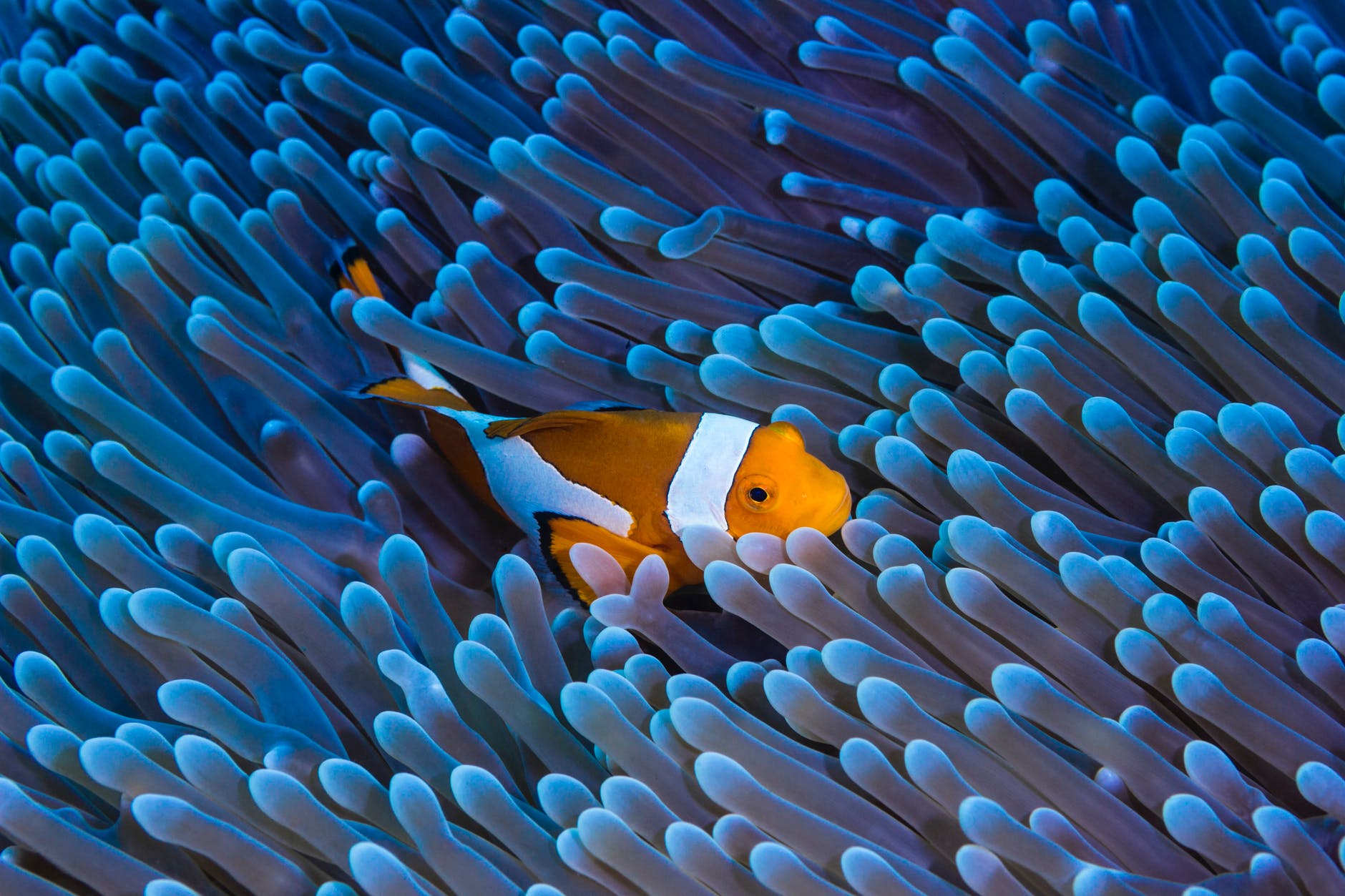
She discusses the various policies that are supposed to protect coral reefs, and the loopholes that allow over fishing. For example, the National Marine Sanctuaries Act allows for areas to be a designated marine sanctuary. This is a long process, in which two areas that were supposed to become sanctuaries, the Florida Keys and Northern Hawaii Islands, were rejected “largely because of conflicts with fishers” (Craig 2008, p. 15-16).
One may wonder why fishing is of higher importance than the biodiversity of the ocean when Craig stresses that “researchers concluded that over fishing has affected 95 percent of the world’s coral reefs, and coral reef fish species are far more likely than other marine species to become or be at risk of extinction” (Craig 2008, p. 5). With the extinction of these reef dwelling fish, the entire chain of marine wildlife suffers.
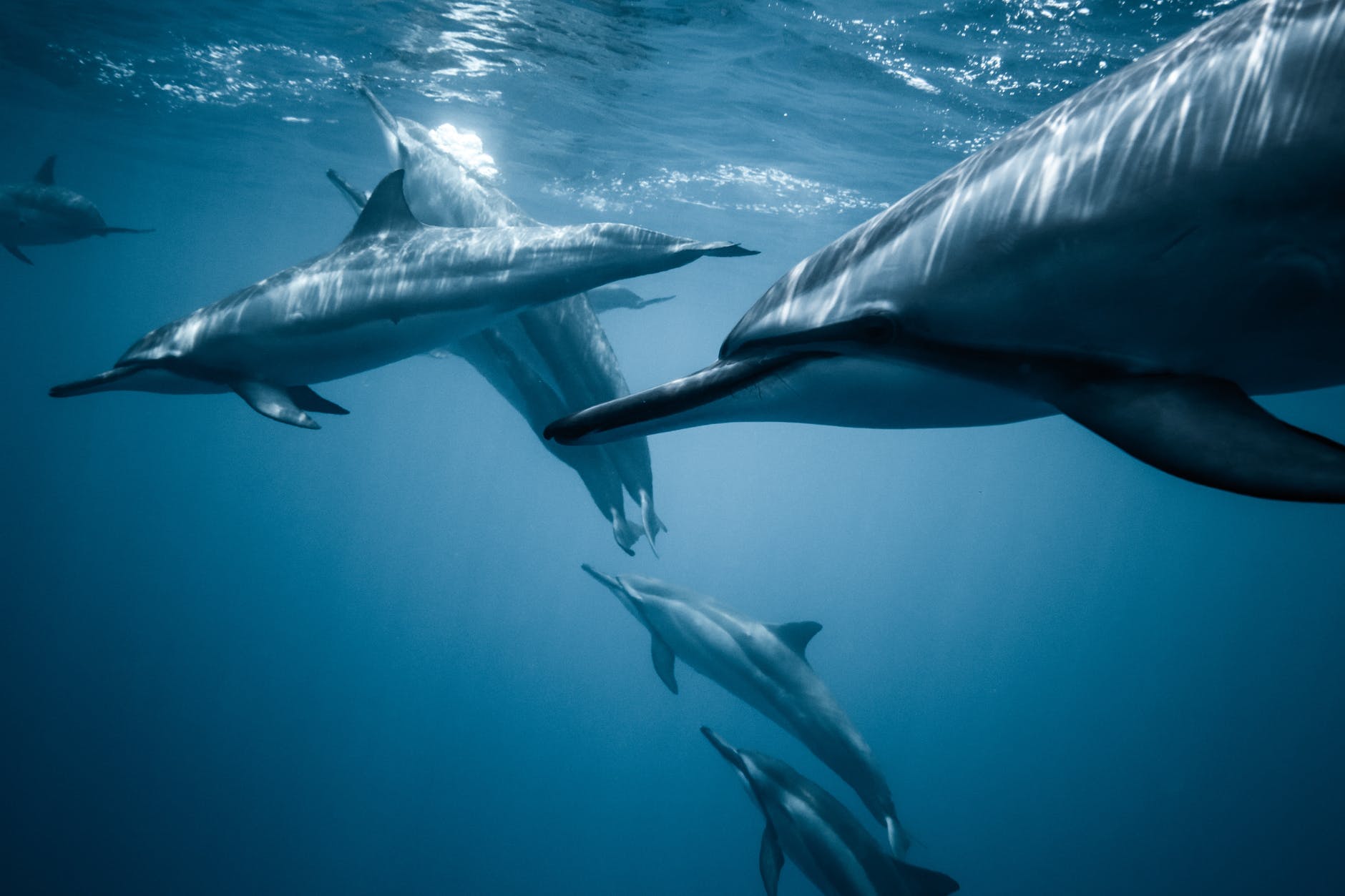
Even with steps in place to preserve the ecosystems in this age of rapid climate change, actions are more favorable towards profit than preservation. The best solution is for us as the tourists and consumers to be responsible and conscious of the impacts of our activities, because as we will see, companies do not have the interests of a sustainable future in mind.
While it is simple to conceptualize ways in which companies can become sustainable, it is hard to put into practice (Mohamadi et. al. 2022 p. 329-445). Even though it is reasonable to put blame on corporations for not implementing sustainable practices, when the consumer puts their dollar towards that, it is the equivalent of supporting that practice. Another problem which arises is the struggle for developing countries that cannot afford to make the complete switch to sustainable tourism practices (Zhu et. al. 2021 p. 66-78).

The authors describe this relationship between environmental competitiveness and sustainable practices. Environmental competitiveness in this sense refers to the competition of businesses in regions based around tourism. They concluded that the more competitive a tourist location is, for example London and Tokyo, the higher likelihood that they will be able to incorporate sustainable practices. Places with higher competition are in countries that are developed, and competition is lower in developing countries (Zhu et. al. 2021 p. 66-78).
Because of this, tourism locations in developing countries are less likely to take advantage of sustainable practices because of the costs. Because many locals in these tourist destinations rely on tourists for their livelihood, the expense of those more eco-friendly products would not be a good business move. As put by the authors, “forcing sustainable tourism on developing countries may well be inappropriate” (Zhu et. al. 2021 p. 71).
If the competitive nature of the location does not affect the growth of tourism, then there is no smart reason why these places would switch over to more eco-friendly methods of business, hospice, and entertainment. It is for this reason as well that tourism cannot become sustainable.
In countries that can afford to adopt sustainable practices in their tourism economy, the impact that it has on consumers is positive. A study was conducted to measure the neurological effects in response to “green hotels” (Fronda et. al. 2021). The authors measured the emotional engagement levels when people were presented with eco-friendly products in a “green hotel”. They hypothesized that the increase in brain activity while the participants explored the hotel was associated with the lessening of cognitive consonance, since the participants could feel good about the services they were using and the low impact that they had on the environment compared to other options.
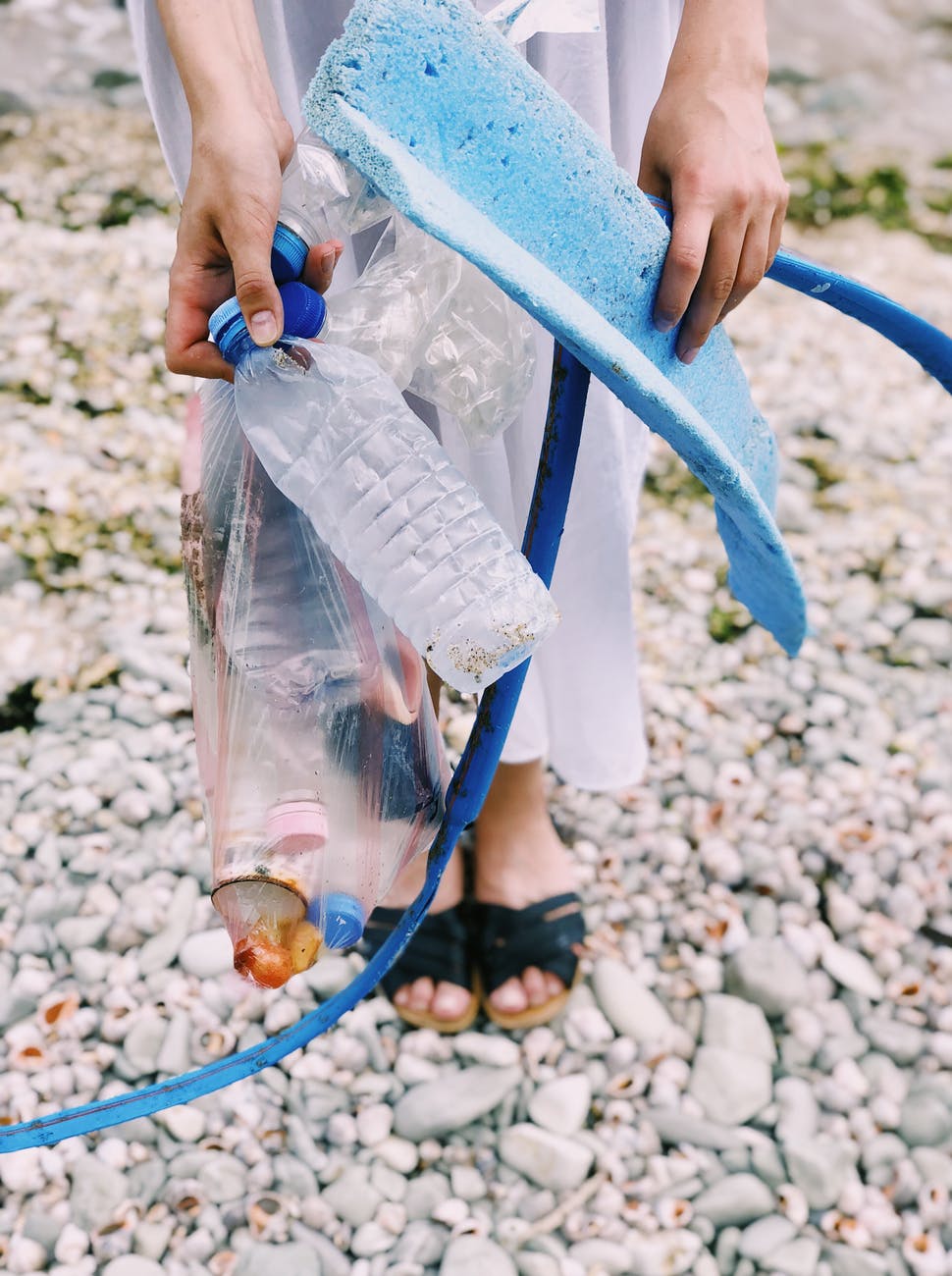
The study is a good insight into how tourism can be made more sustainable and subsequently aid in encouraging tourists to make more eco conscious decisions when booking hotels. There are multiple options for sustainable traveling in which one can enjoy their trip guilt free of the environmental expenses of tourism. The conflict lies in the fact that the tourism industry is growing at a rapid rate and hinders the possibility of being sustainable (Zhu et. al. 2021).
There are ways in which tourism can become sustainable, and they need to be recognized as options before one completely loses hope of ever traveling again. Recognizing the connection between tourism growth and a declining biosphere is beneficial for prioritizing what we want for future generations. This is not a call to give up trying to be sustainable tourists and say “oh well”. Tourism will never be sustainable, but we as consumers can make choices which push for companies and policies to be environmentally responsible.
Sources
Craig, R. K. (2008). Coral Reefs, Fishing, and Tourism: Tensions in U.S. Ocean Law and Policy Reform. Stanford Environmental Law Journal, 27(1), 3–41
Chakraborty, A. (2021). Can tourism contribute to environmentally sustainable development? Arguments from an ecological limits perspective. Environment, Development & Sustainability
Fronda, G., Cassioli, F., Sebastiani, R., Galeone, A. B., & Balconi, M. (2021). Paint it green: A neuroscientific approach to hotel sustainability and ecological tourism. Environment, Development & Sustainability, 23(10), 15513–15528.
Mohamadi, S., Abbasi, A., Ranaei Kordshouli, H.-A., & Askarifar, K. (2022). Conceptualizing sustainable–responsible tourism indicators: an interpretive structural modeling approach. Environment, Development & Sustainability, 24(1), 399–425.
Zhu, L., Zhan, L., & Li, S. (Kevin). (2021). Is sustainable development reasonable for tourism destinations? An empirical study of the relationship between environmental competitiveness and tourism growth. Sustainable Development, 29(1), 66–78.

